
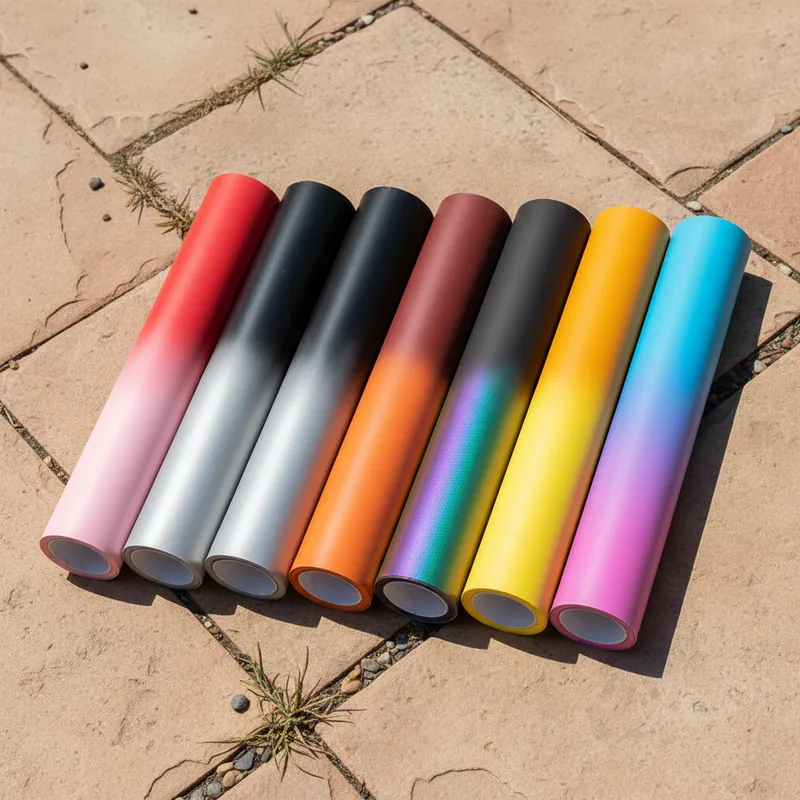
Thermochromic Heat Transfer Vinyl
Thermochromic Engraving Vinyl is a functional printing material made by combining thermochromic ink with a polyester film base. It can be custom-cut into specific patterns via laser cutting or lettering equipment, then transferred onto clothing and other surfaces through high-temperature hot stamping.
Key Features:
Technical Specifications | Thermochromic Heat Transfer Vinyl
This temperature-reactive HTV features reversible color change, easy application, and durable performance, ideal for custom apparel, packaging and interactive branding.
Product Specifications
Thermochromic Heat Transfer Vinyl
Key Features
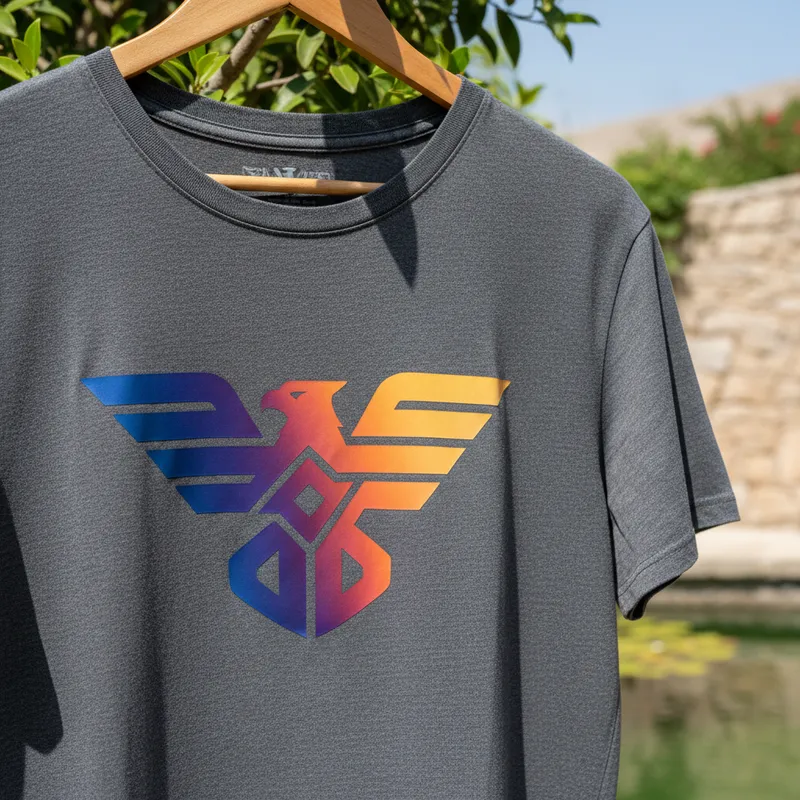
Unique thermochromic effect
The pattern changes color, appears or fades according to temperature variations, offering strong fun and interactivity.
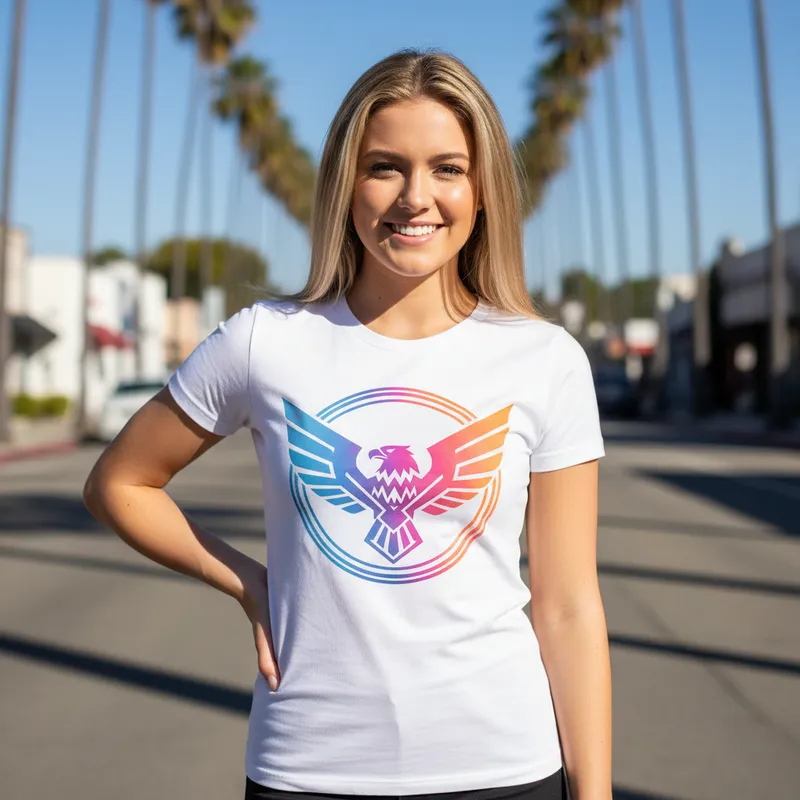
Fashionable & personalized
Adds a novel, dynamic and creative visual experience to products, ideal for trendy items pursuing individuality and unique design.
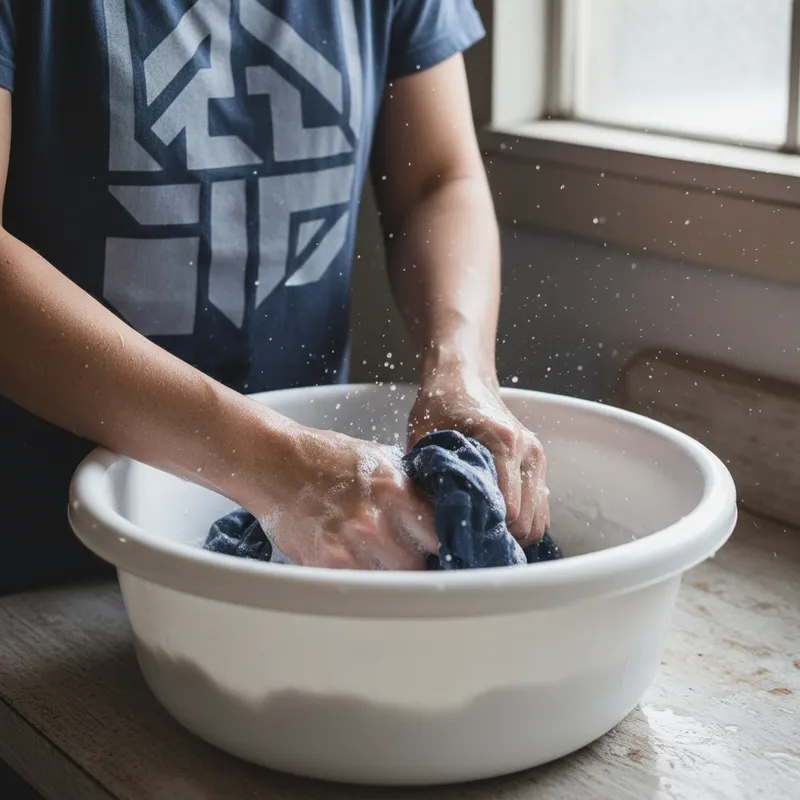
Washable & durable
Professional adhesive layer ensures strong adhesion, resistance to water washing, and resistance to cracking, peeling or fading.
Application Scenarios
These scenarios emphasize sellable outcomes—interactive visual appeal, brand differentiation, and functional benefits

Apparel Industry
The vinyl is widely used on T-shirts, hoodies, and outerwear to create interactive patterns that change color in response to body heat, ambient temperature fluctuations, or physical touch. This unique feature significantly enhances the product's playful and interactive appeal for consumers.
Luggage, Bags, Footwear, and Headwear
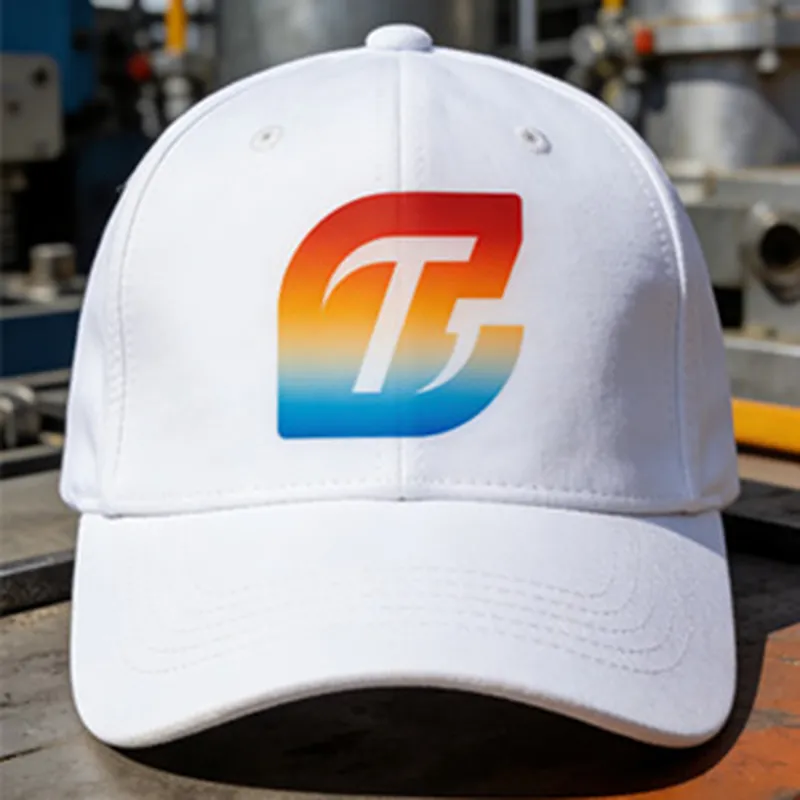
It is applied to canvas bags, backpacks, and hats to produce thermochromic logos or patterns. These elements shift in appearance across different temperatures, allowing the product to showcase varied styles depending on environmental conditions.

Cultural and Creative Products & Customized Gifts
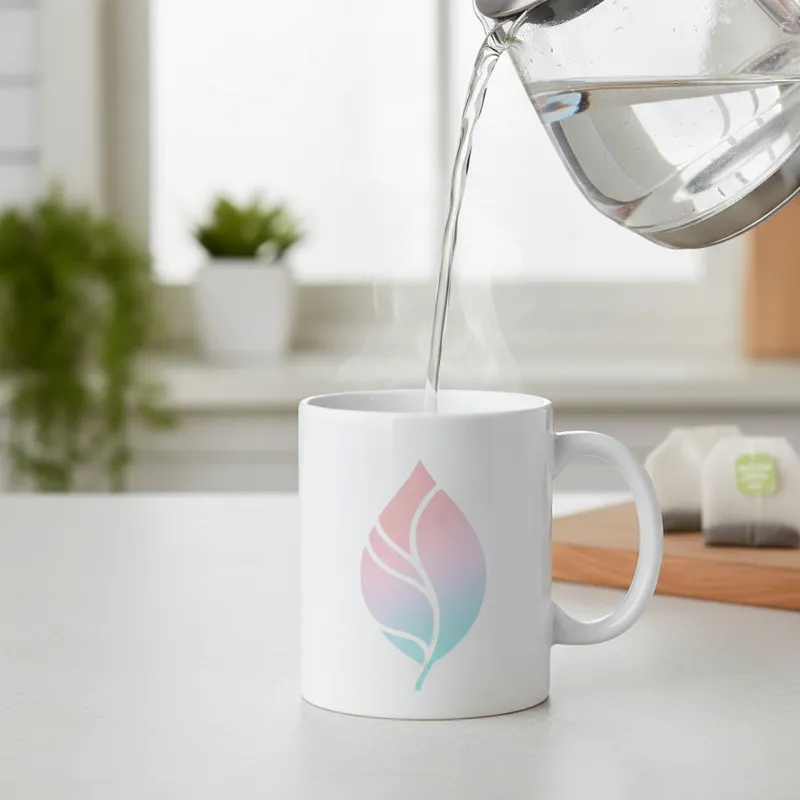
The material enables the production of one-of-a-kind birthday presents and souvenirs, such as photo frames or throw pillows with hidden messages that only become visible when touched or exposed to specific temperatures.
Safety Instructions & Educational Applications
As a simple temperature indicator, the vinyl can be used on designated products to provide clear visual prompts, such as alerting users when an object has become excessively hot to prevent accidental burns.
Technical Support | Your Reliable Partner in Heat Transfer
We work closely with world-leading heat transfer film material suppliers and equipment manufacturers to develop highly compatible and easy-to-operate heat transfer films. More than that, we have built a complete technical support system for every heat transfer film—from material selection to the finished product—so you never have to face process challenges alone.

Production Stability: Why Our Material Consistency Commitment Matters
Every batch of heat transfer film undergoes a rigorous 365-day quality traceability system, with a 99.2% pass rate for key indicators (such as adhesive viscosity and PET base thickness). Our client data shows that this reduces transfer defects caused by material issues to less than 1.5%. This is not just a quality promise; it is a guarantee for your mass production stability. Note: Please use the recommended heat transfer equipment parameters to ensure the best results.

Application Efficiency: End-to-End Guidance from Cutting to Transfer
Our modular operation guides reduce the debugging time for traditional heat transfer films by about 30%. Novice operators can complete the entire process from importing design files to the first transfer in just 15 minutes. Efficiency starts from the very first step. Note: Before cutting, please ensure the heat transfer film is flat and wrinkle-free, and maintain an ambient temperature of 20-25℃ for optimal cutting precision.
Process Resilience: Rapid Response to Problems in 24/7 Production
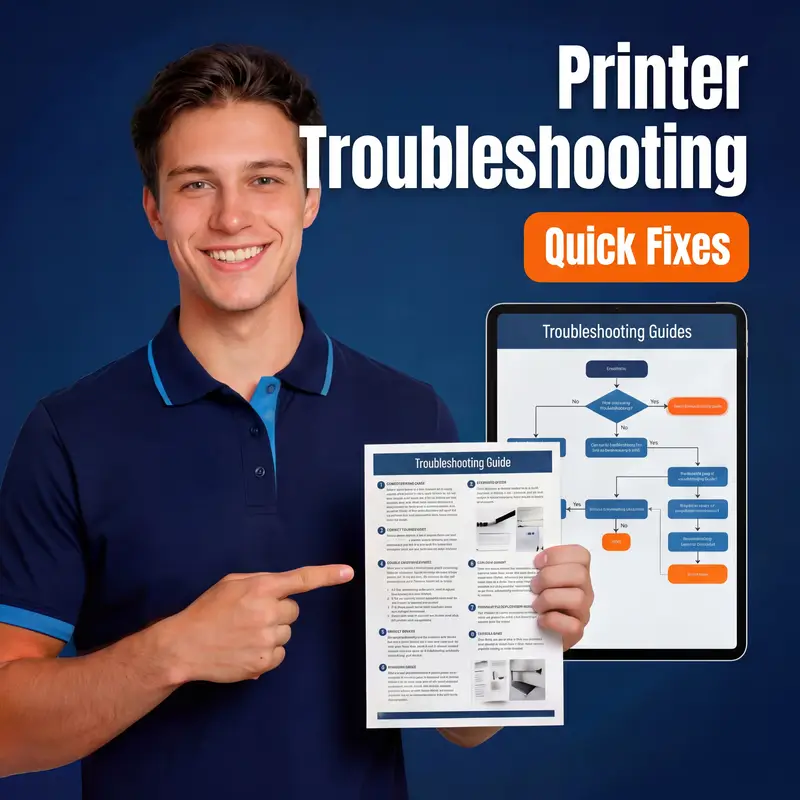
Using our categorized fault diagnosis matrix, we can resolve over 90% of common transfer issues (such as edge lifting and uneven coloring). Each guide targets specific material-equipment combination problems, such as temperature-pressure parameter adjustments for fabrics of different thicknesses. Fast fixes. Note: Clean the heating plate after every 50 consecutive transfers to prevent adhesive residue from affecting the transfer effect.

Technical Continuity: Real-Time Remote Support for Complex Processes
Connect with our team of heat transfer engineers and achieve a 95% first-consultation resolution rate. We help you overcome process bottlenecks through remote video guidance or parameter file sharing. Expert help. Note: When transferring complex patterns, it is recommended to prepare fabric samples and equipment parameter screenshots in advance to quickly identify problems.