
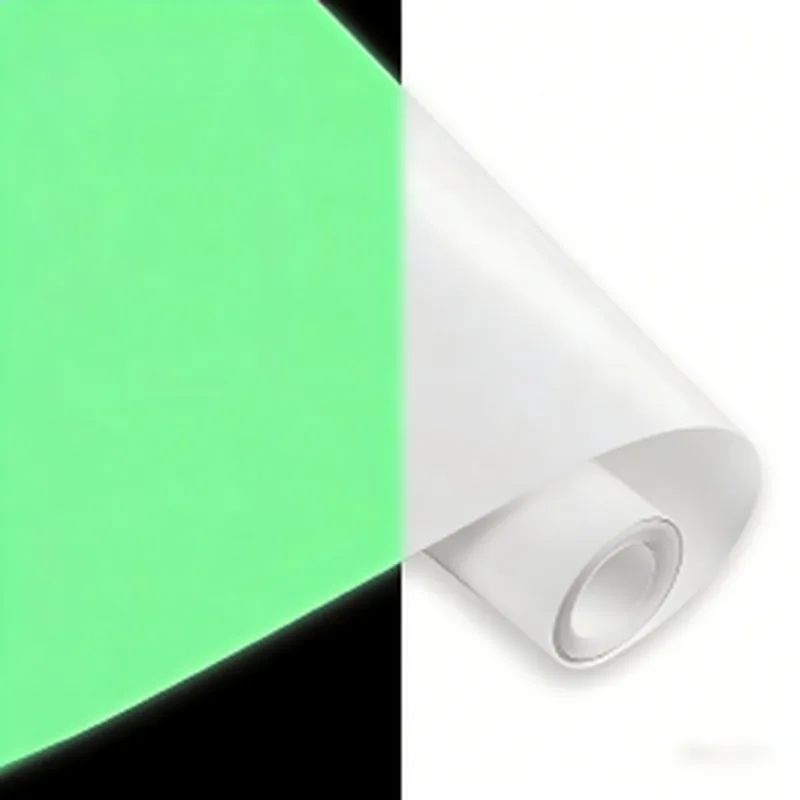
Glow in the Dark Heat Transfer Vinyl
Glow in the Dark Heat Transfer Vinyl is a dual-purpose PU-based film blending safety warning with decorative effects. Using high-performance photoluminescent pigments as core, it integrates a durable PU binder, hot-melt adhesive layer and release liner via precision coating. It absorbs light (natural/artificial) and emits sustained glow in darkness. Compatible with CNC cutting and weeding for custom designs, it boosts visibility on textiles—widely applied in safety workwear, outdoor gear, stage costumes and fashion.
Key Features:
Technical Specifications | Glow-in-the-Dark HTV
A photoluminescent heat-transfer film that emits light in darkness after being charged by a light source. Designed for safety identification, outdoor equipment, and fashion applications to improve nighttime visibility and product appeal.
Product Specifications
Glow in the Dark Heat Transfer Vinyl
Key Features
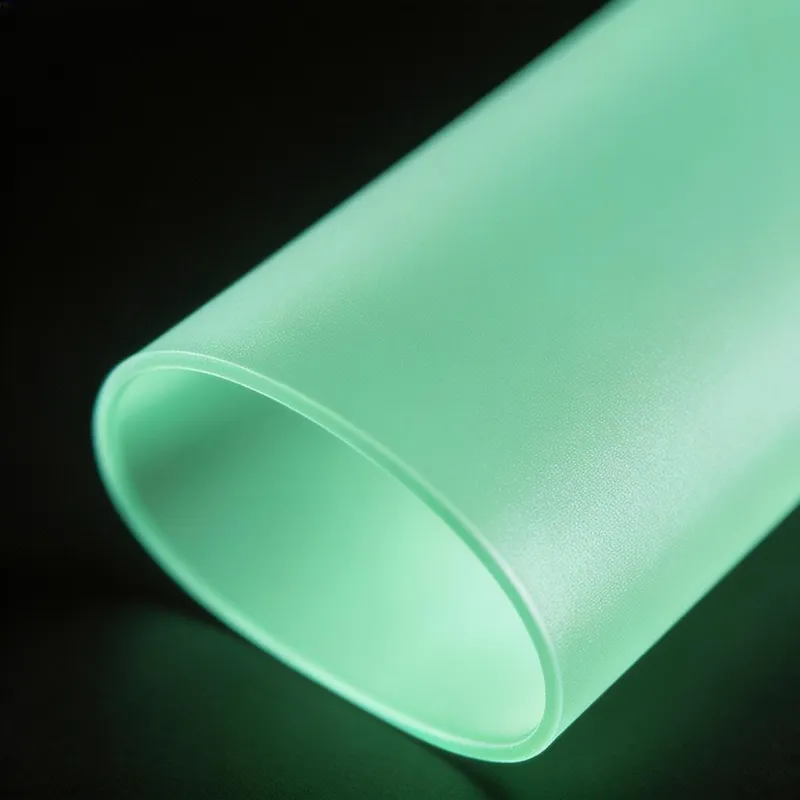
Long-Lasting Afterglow
High-performance pigments offer quick charging and extended glow duration for reliable low-light visibility.
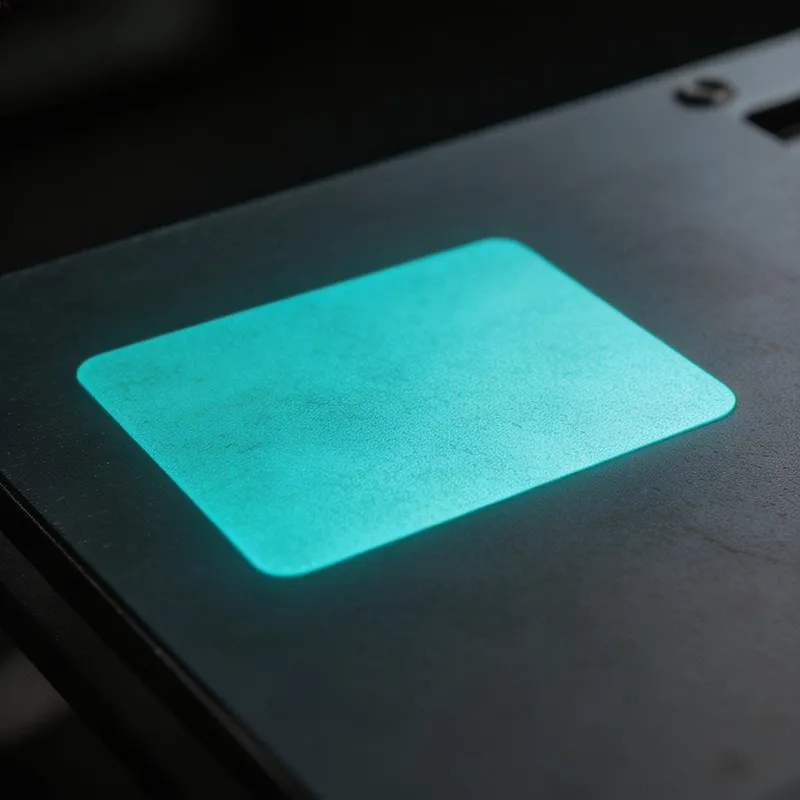
Durable & Wash-Resistant
Strong adhesion ensures luminous layer remains intact and functional after repeated laundering.
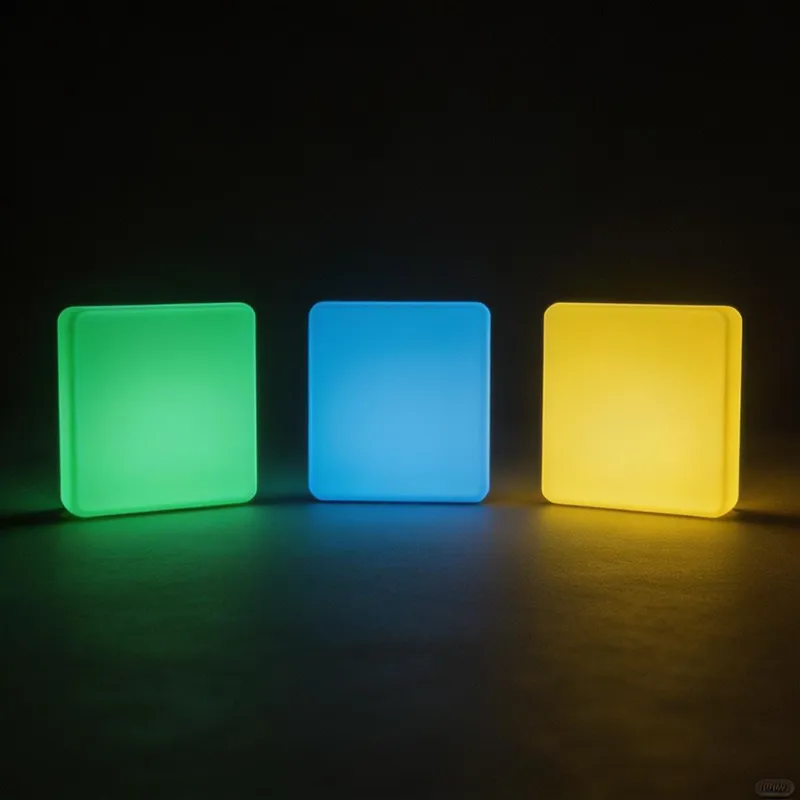
Design Flexibility
Available in multiple glow colors (green, blue, yellow, etc.) for full or partial glow effects within designs.
Application Scenarios

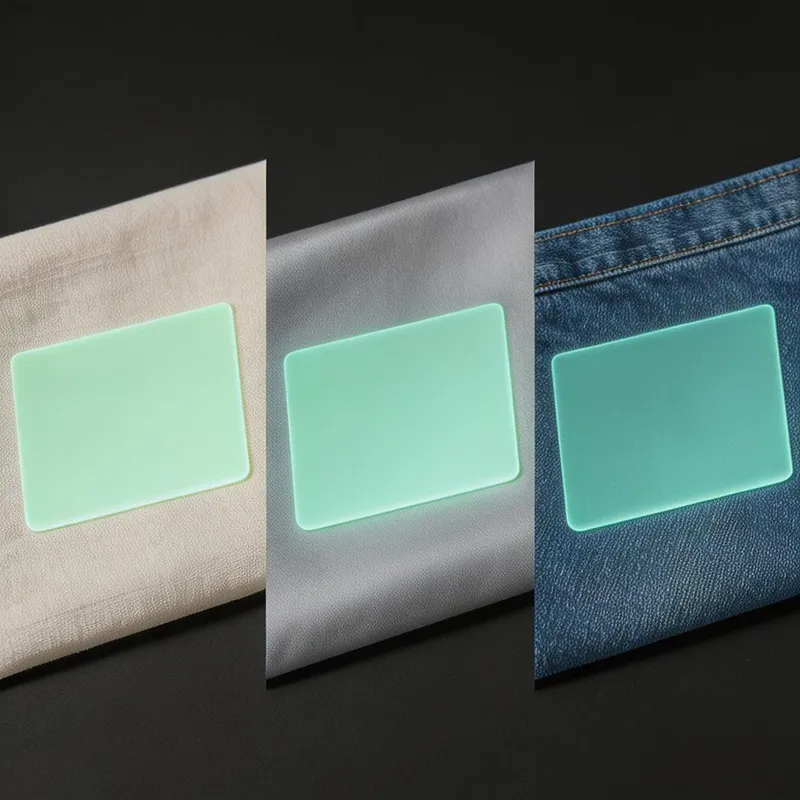
Safety & Protective Gear
Warning labels and visibility enhancements on firefighter suits, traffic vests, and industrial workwear.
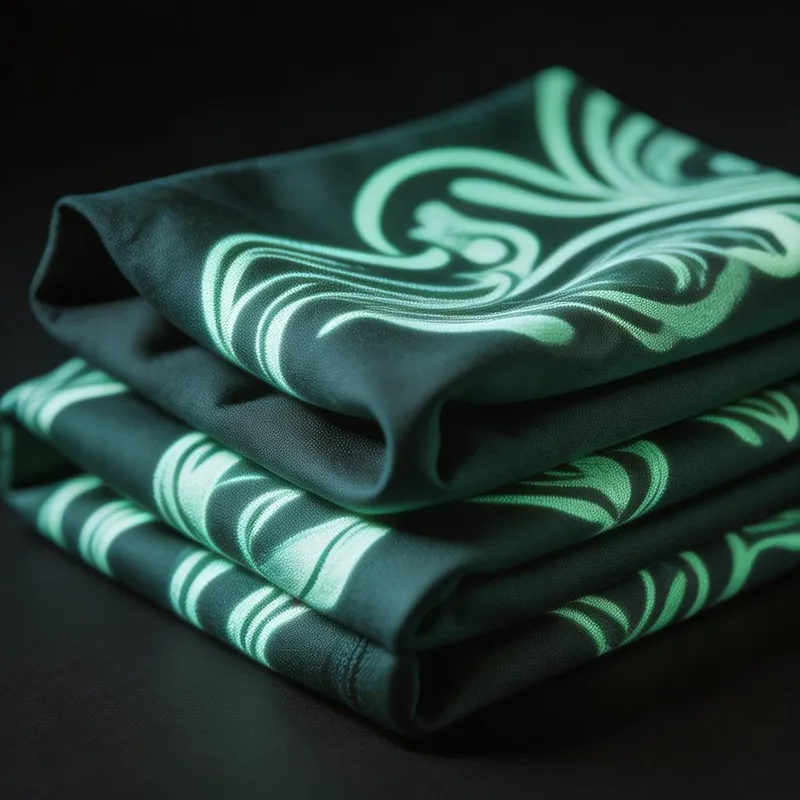
Outdoor Sportswear
Glow logos and trim on running gear, cycling jackets, and hiking equipment for night visibility.
Stage & Performance Costumes
Luminous designs and text for concert wear, dance outfits, and themed event apparel.

Fashion & Streetwear
Glow-in-the-dark accents on hoodies, backpacks, and sneakers for standout nighttime style.
Technical Support | Your Reliable Partner in Heat Transfer
We work closely with world-leading heat transfer film material suppliers and equipment manufacturers to develop highly compatible and easy-to-operate heat transfer films. More than that, we have built a complete technical support system for every heat transfer film—from material selection to the finished product—so you never have to face process challenges alone.

Production Stability: Why Our Material Consistency Commitment Matters
Every batch of heat transfer film undergoes a rigorous 365-day quality traceability system, with a 99.2% pass rate for key indicators (such as adhesive viscosity and PET base thickness). Our client data shows that this reduces transfer defects caused by material issues to less than 1.5%. This is not just a quality promise; it is a guarantee for your mass production stability. Note: Please use the recommended heat transfer equipment parameters to ensure the best results.

Application Efficiency: End-to-End Guidance from Cutting to Transfer
Our modular operation guides reduce the debugging time for traditional heat transfer films by about 30%. Novice operators can complete the entire process from importing design files to the first transfer in just 15 minutes. Efficiency starts from the very first step. Note: Before cutting, please ensure the heat transfer film is flat and wrinkle-free, and maintain an ambient temperature of 20-25℃ for optimal cutting precision.
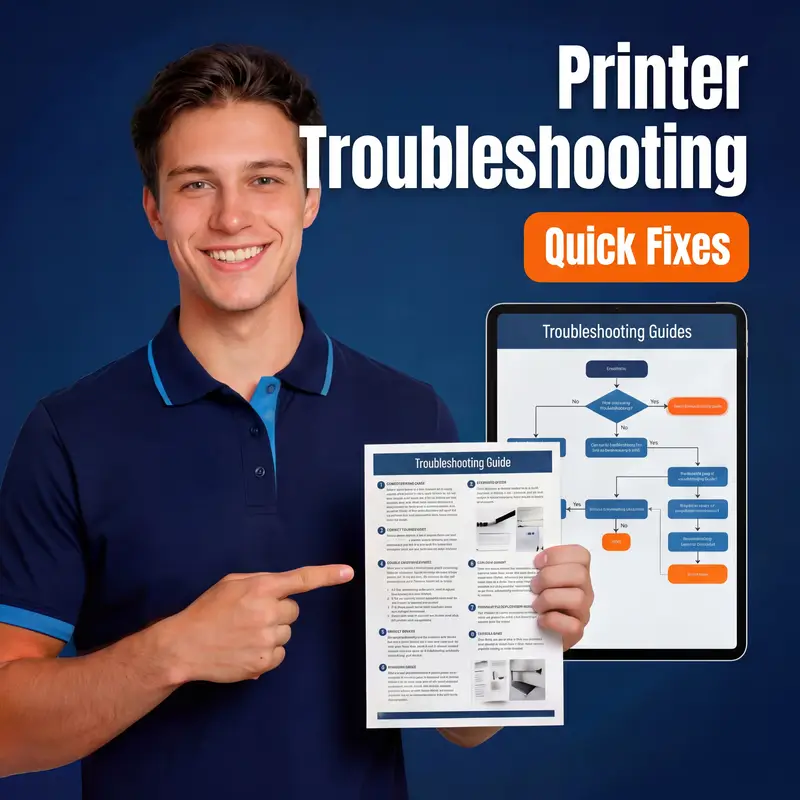
Process Resilience: Rapid Response to Problems in 24/7 Production
Using our categorized fault diagnosis matrix, we can resolve over 90% of common transfer issues (such as edge lifting and uneven coloring). Each guide targets specific material-equipment combination problems, such as temperature-pressure parameter adjustments for fabrics of different thicknesses. Fast fixes. Note: Clean the heating plate after every 50 consecutive transfers to prevent adhesive residue from affecting the transfer effect.

Technical Continuity: Real-Time Remote Support for Complex Processes
Connect with our team of heat transfer engineers and achieve a 95% first-consultation resolution rate. We help you overcome process bottlenecks through remote video guidance or parameter file sharing. Expert help. Note: When transferring complex patterns, it is recommended to prepare fabric samples and equipment parameter screenshots in advance to quickly identify problems.